-  - The Arctic
The Arctic
Protecting the Arctic’s Natural Resources
 -  - The Arctic
The Arctic
Preserving Indigenous Cultures and Way of Life
Home   »  Regions  »  Arctic

Share This

The Arctic

V. Gorbunov
A walrus lounging on Russia's coast.

No place on Earth is changing more rapidly and drastically than the Arctic. Shared between Canada, Denmark, Finland, Iceland, Norway, Russia, Sweden and the United States, the Arctic is a vast, ice-covered ocean that is surrounded by treeless, frozen land, which is often covered with snow and ice. Unlike the Antarctic, the Arctic is inhabited by humans with long and rich histories - it is home to 4 million people, including indigenous communities. These communities have thrived there for thousands of years, living off the land and seas.

The Arctic is one of the remaining places in the world where people still maintain a subsistence way of life.  This vast, cold region is home to the polar bear, arctic fox, and walrus as well as several species of seals, whales, birds and fish - and several other species that we still don't know much about. The marginal seas of the Arctic Ocean include the Beaufort and Chukchi Seas and the Eastern Siberian Seas which are home to the entire population of U.S. polar bears, which were recently designated as threatened.

Many of America's most iconic sea animals thrive here, including the endangered bowhead whale, walrus, seals and countless birds. This marine wildlife, especially the bowhead whale, is vital to the survival of the subsistence culture of the Inupiat people of Alaska's North Slope. The Bering and Barents Seas are some of the world's richest fishing grounds. The Northwest Passage (US and Canada) and Northern Sea Route (Norway and Russia) are two important seasonal waterways that will continue to be impacted by increased shipping and globalization.

The Final Frontier for Petroleum Development

The Arctic is rich in natural resources that continue to be exploited for economic benefit. It currently has some of the largest mineral and petroleum reserves in the world, both tapped and untapped, attracting the interest of government and corporations. A number of these reserves lie offshore, in the Arctic's shallow and biologically productive shelf seas. Significant extraction of crude oil, gas, gold, industrial metals, and diamonds continues in vulnerable areas, while more resources are the target of massive development by the oil and petroleum industry.

The Arctic is Melting

Global warming in the Arctic is expected to accelerate at a rate of two to three times greater than the rest of the world. Even a slight shift in temperature could potentially result in an ice-free Arctic within this century, threatening Arctic communities and adversely impacting the eco-system there, potentially shifting the climate balance of the entire planet.

Shipping

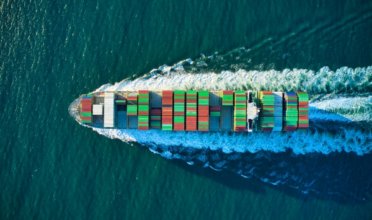
Continued sea ice reductions will likely lengthen the navigation season in all regions and increase marine access to the Arctic's natural resources. Activities such as development of hydrocarbon and mineral resources, cruise ship tourism and commercial fishing are expected to expand with increased accessibility and marine transportation in the Arctic. Click here to learn more.

What We Do

Traditional Arctic communities are often the first to experience the effects of global climate change, and stories abound from both sides of the Pacific about environmental conditions changing in response to warming trends, such as the melting of Siberian permafrost or the recent appearance of new insect species in Alaska. Such rapid change necessitates strong community organization and cooperation among Indigenous groups to protect their lands and traditional ways of life from the impacts of global warming and resource extraction projects.

Pacific Environment is working with partner NGOs and community groups in both the U.S. and Russia -- native leaders, fishermen, government managers, and scientists -- to monitor climate change and to fight irresponsible resource extraction in the Arctic.